
Oldsmar Hedging Services
Choose our professional hedging services for precise, healthy, and beautifully shaped hedges that enhance privacy, boost property value, and create a polished look for your landscape.
Get a Free QuoteOur Oldsmar Landscaping & Yard Care Services
When to Schedule Hedging in Oldsmar, Florida – Seasonal Guide
In Oldsmar, Florida, the best times to schedule hedging are typically late winter through early spring and again in late summer. These periods align with the region’s subtropical climate, which features mild winters and hot, humid summers. By timing your hedging before the main growth spurts, you encourage healthy regrowth and maintain the shape of your landscape throughout the year. Neighborhoods near R.E. Olds Park and along Shore Drive often experience unique microclimates due to proximity to Tampa Bay, so it’s important to consider local weather patterns when planning your service.
Local environmental factors such as the last frost date—usually in late January—can impact when it’s safe to trim without risking cold damage. Oldsmar’s sandy soils drain quickly, which can increase drought risk during dry spells, while shaded areas in communities like East Lake Woodlands may require less frequent hedging due to slower growth. For more information on local regulations and best practices, visit the City of Sudbury’s resource page.
Local Factors to Consider for Hedging in Oldsmar
- Tree and shrub density in your yard
- Terrain and slope, especially near Mobbly Bayou Wilderness Preserve
- Seasonal precipitation and humidity levels
- Shade coverage from mature oaks and palms
- Soil type (sandy vs. loamy)
- Municipal restrictions or neighborhood association guidelines
Benefits of Hedging in Oldsmar
Enhanced Curb Appeal
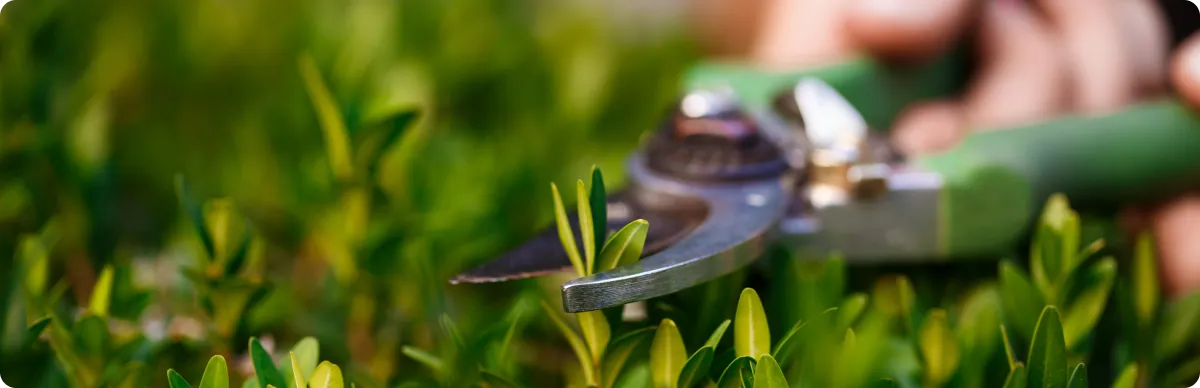
Professional Hedge Shaping
Improved Property Value
Expert Local Knowledge
Reliable Scheduling
Eco-Friendly Practices
Oldsmar Hedging Types

Boxwood Hedges
-
Privet Hedges
-
Holly Hedges
-
Podocarpus Hedges
-
Viburnum Hedges
-
Arborvitae Hedges
-
Ligustrum Hedges
Our Hedging Process
Consultation and Planning
Site Preparation
Precision Trimming
Cleanup and Inspection
Why Choose Oldsmar Landscape Services
-
Oldsmar Homeowners Trust Us
-
Expert Lawn Maintenance
-
Reliable Scheduling
-
Competitive Pricing
-
Professional Team
-
Satisfaction Guarantee
-
Personalized Service
Coordinating Hedging Activities with Oldsmar’s Parks and Recreation Department
Hedging along public-facing landscapes in Oldsmar often requires coordination with the city’s Parks and Recreation Department, especially when work is performed near parks, medians, or city-maintained greenways. Residents and property managers should be aware that hedging adjacent to public sidewalks or within city rights-of-way may be subject to city oversight to ensure visibility and pedestrian safety. The department provides guidance on acceptable plant heights and species selection for hedges bordering public spaces. For hedging projects that may impact public infrastructure or require access to city-maintained areas, it is advisable to consult with the department before beginning work. This helps prevent conflicts with city maintenance schedules and ensures compliance with local appearance standards.
- Confirm hedge placement does not obstruct sidewalks or sightlines
- Coordinate with city staff for work near parks or medians
- Use recommended species for public-facing hedges
Oldsmar Parks & Recreation
201 Shore Drive East, Oldsmar, FL 34677
Phone: 813-749-1152
Official Website: Oldsmar Parks & Recreation
How Oldsmar’s Gulf Coast Climate and Soils Shape Hedging Practices
Oldsmar is situated in the Gulf Coast Florida region, characterized by high humidity, intense summer heat, and a pronounced wet season from June through September. These conditions influence both the growth rate and maintenance needs of hedges. Sandy and fill-based urban soils, common in Oldsmar subdivisions, can lead to rapid drainage and nutrient leaching, requiring careful irrigation and fertilization management. The city’s proximity to Tampa Bay also means some areas may experience salt exposure, which can affect hedge species selection. Additionally, the high water table and frequent rainfall increase the risk of runoff into swales, canals, and storm drains, making it essential to manage clippings and debris responsibly.
Key local conditions impacting hedging include:
- Fast regrowth during the wet season, requiring more frequent trimming
- Soil profiles that may not retain nutrients, affecting plant vigor
- Sensitivity to salt spray in coastal-adjacent neighborhoods
Regulatory Considerations for Hedging in Oldsmar: Codes, Permits, and Environmental Compliance
Hedging activities in Oldsmar are subject to municipal codes that address visibility, property boundaries, and maintenance standards. Hedges must not obstruct sidewalks, driveways, or public rights-of-way, and may be subject to height restrictions, especially at intersections or near traffic sightlines. While routine residential hedging typically does not require a permit, larger projects or those involving new installations near public infrastructure may trigger review by the city’s Building Division. Environmental compliance is also important; debris and clippings must be managed to prevent runoff into stormwater systems, in accordance with Florida DEP’s NPDES Stormwater Program. For properties using herbicides or pesticides during hedge maintenance, applicators should be aware of FDACS licensing requirements.
- Verify hedge height and placement rules with the city
- Prevent debris from entering storm drains or swales
- Confirm if large-scale projects require city review
Oldsmar Building Division
100 State Street West, Oldsmar, FL 34677
Phone: 813-749-1124
Official Website: Oldsmar Building Division
Timing and Professional Standards for Hedging in Oldsmar’s Climate
Professional hedging in Oldsmar should be scheduled with consideration for the city’s wet and dry seasons. The most active growth occurs from late spring through early fall, making this period optimal for shaping and size control. However, avoid heavy pruning during peak heat or immediately before forecasted storms to reduce plant stress and debris accumulation. Select hedge species that tolerate high humidity and periodic salt exposure, such as wax myrtle or Simpson’s stopper, for best results. Irrigation should be adjusted to avoid overwatering, especially in sandy soils prone to leaching. Always collect and properly dispose of clippings to prevent nutrient runoff, as recommended by UF/IFAS Gardening Solutions.
- Trim hedges more frequently during the wet season
- Avoid severe cuts during extreme heat or drought
- Use sharp, sanitized tools to minimize disease risk
- Schedule maintenance to prevent debris from entering stormwater systems
What Neighborhoods Do We Serve Throughout Oldsmar, FL?
- East Lake Woodlands This gated community features mature landscaping, extensive irrigation, and numerous hedged borders along golf courses and lakes.
- Harbor Palms Known for its older lots and established shade trees, Harbor Palms often requires careful hedging to maintain visibility and drainage near swales.
- Sheffield Village With smaller lots and newer fill-based soils, Sheffield Village properties benefit from regular hedge maintenance to manage rapid growth and maintain curb appeal.
- Bayside Meadows Proximity to retention ponds and canals in Bayside Meadows makes debris management and runoff prevention especially important during hedging.
- Oldsmar Galleria District This mixed-use area includes commercial and residential properties with public-facing hedges that must comply with city appearance standards.
- Woods of Forest Lakes Larger lots and wooded buffers in this subdivision require periodic hedging to maintain access and prevent overgrowth near utility easements.